Collection:
 Luke Fair // The Smog Holds as We Sleep and Wake
 Luke Fair // The Smog Holds as We Sleep and Wake
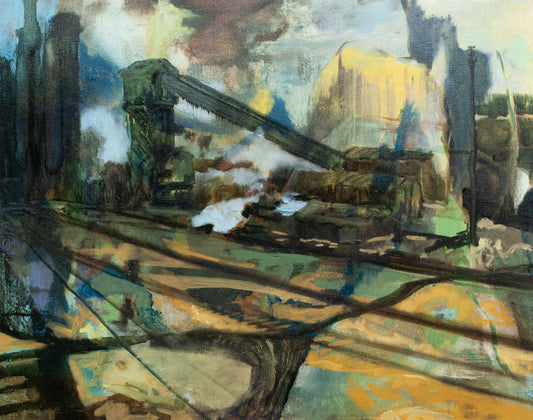
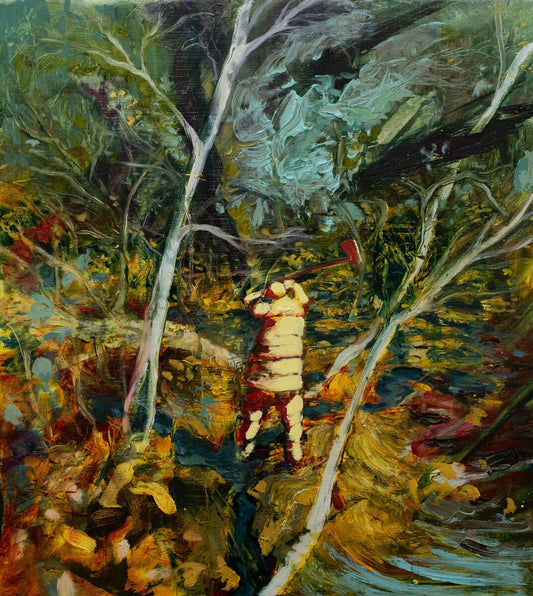
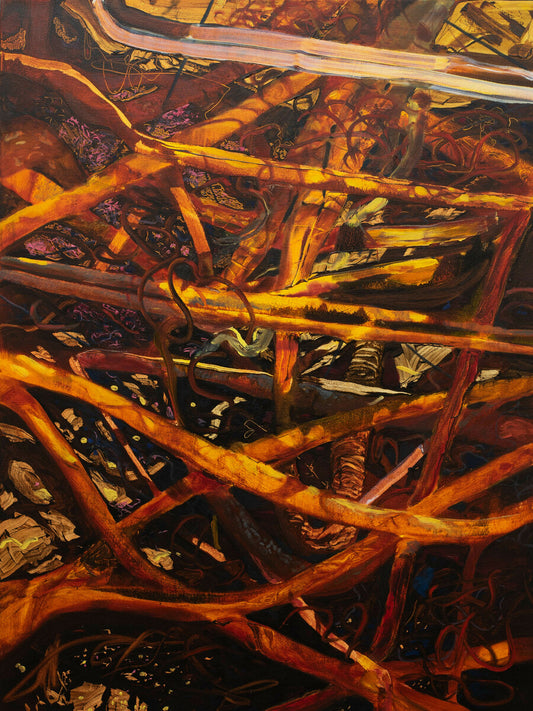
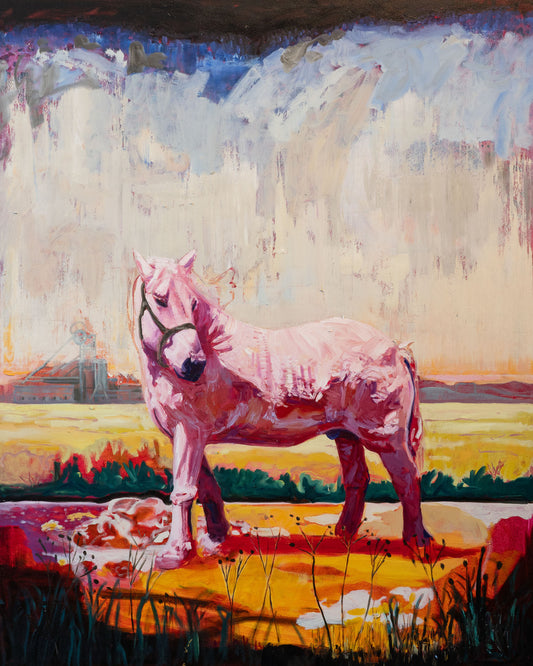
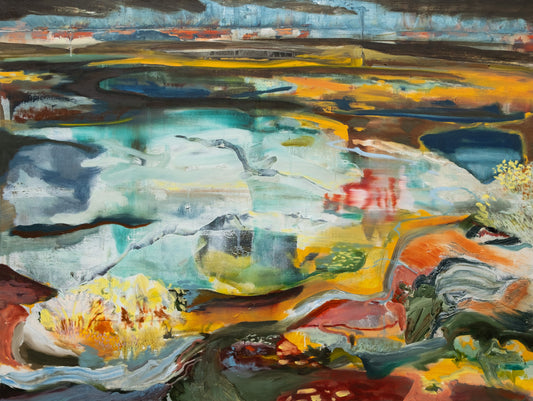
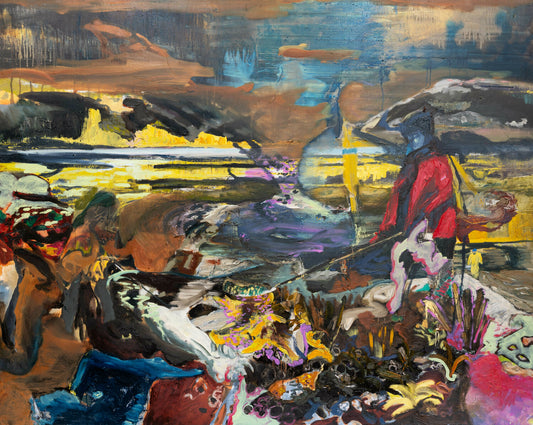
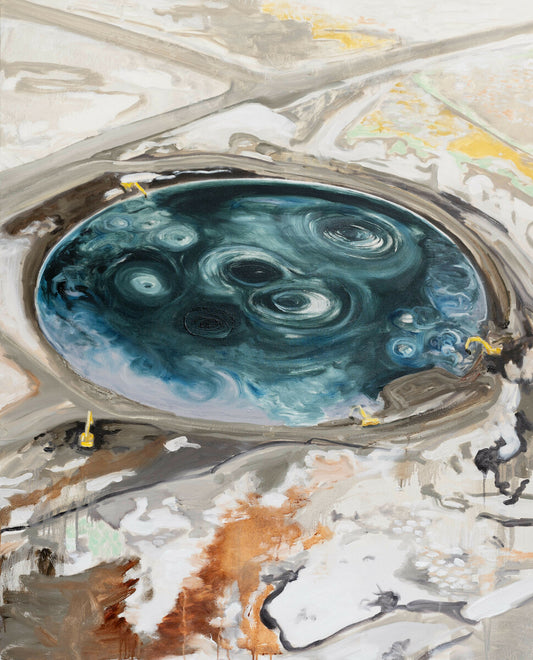
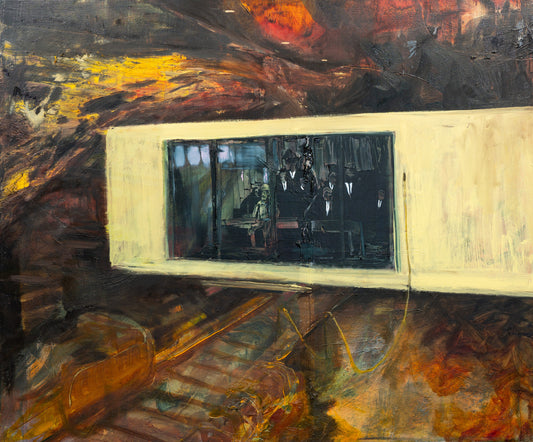
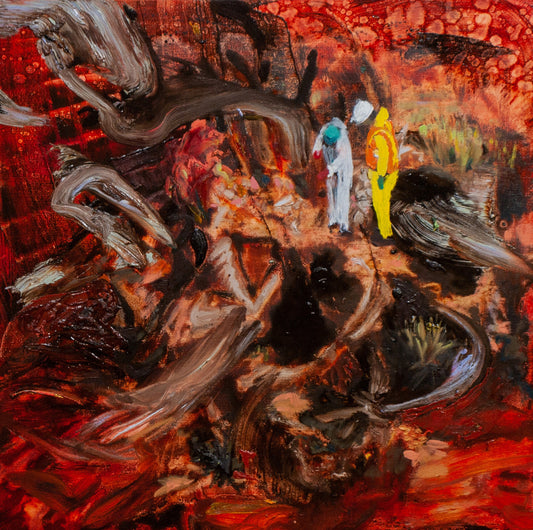
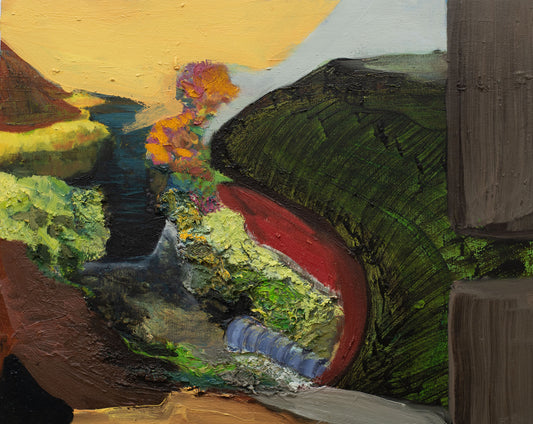
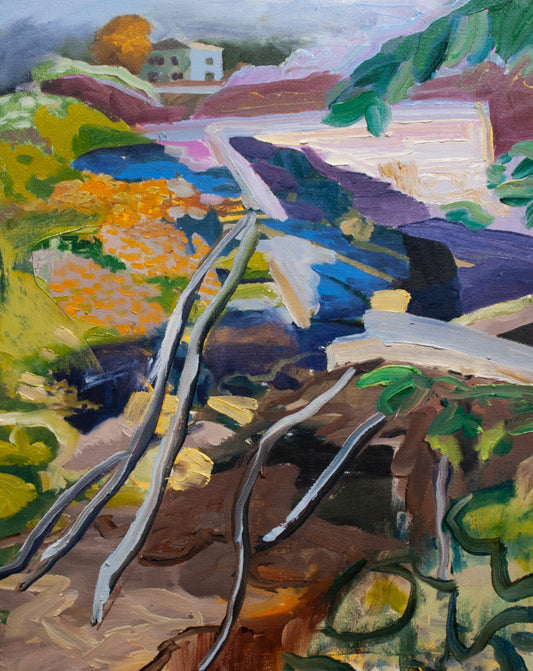
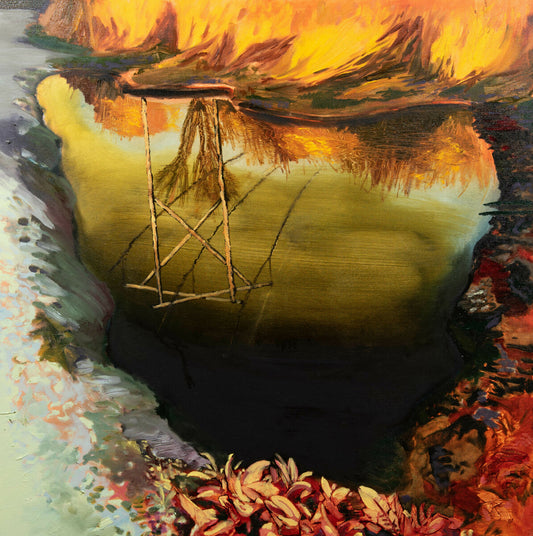
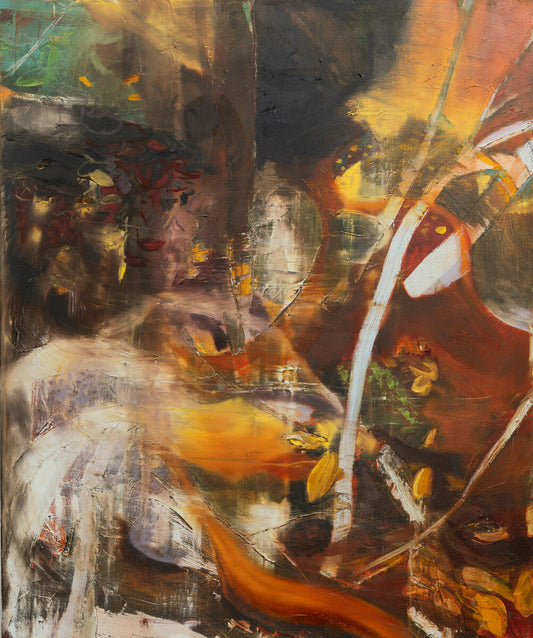
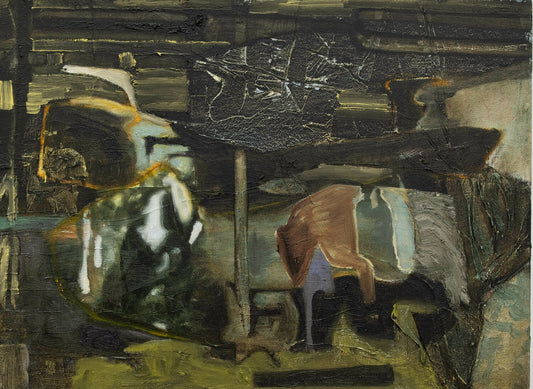
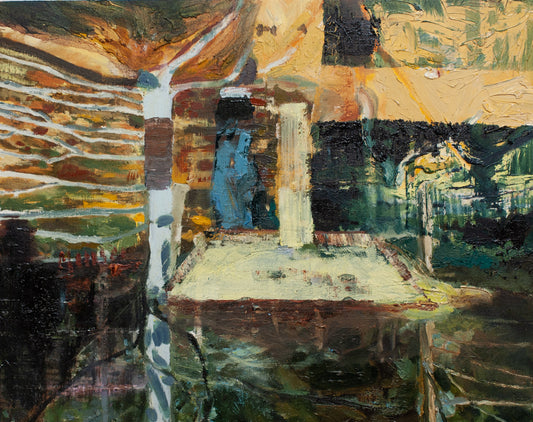
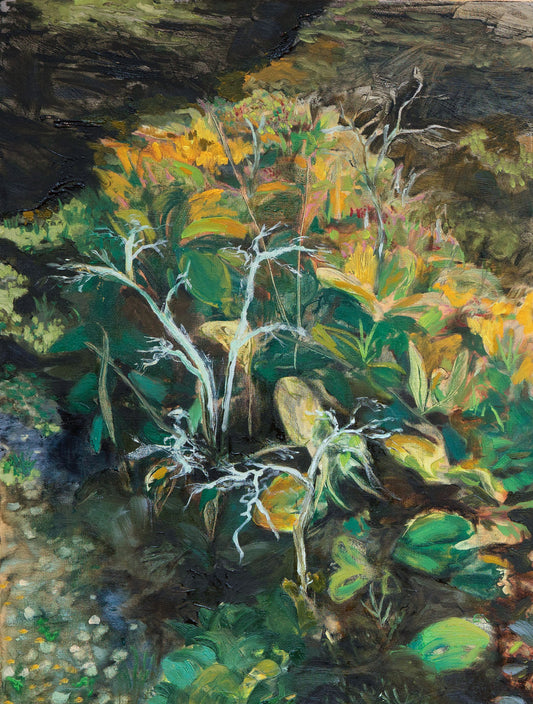
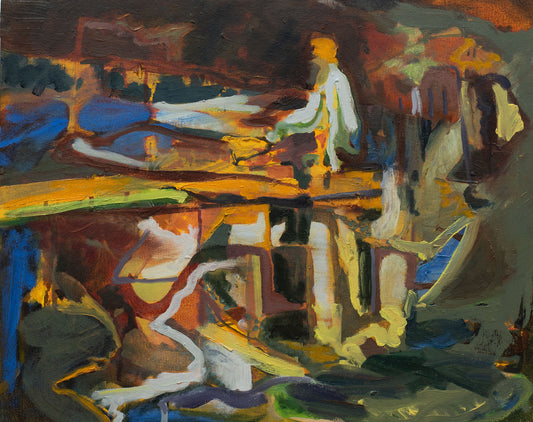
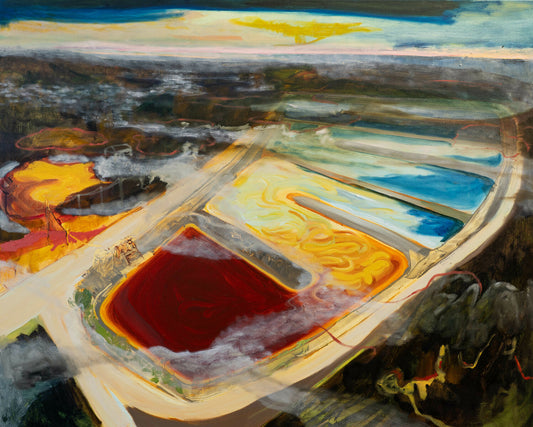
How do we fathom the impact modern living has on our ecological environments? How might we consider land a living being rather than a simple repository of resources or sacrificial zones? The paintings in The Smog Holds as We Sleep and Wake emerge from visual research into the layered histories of Open Hearth Park in Sydney, NS. Once a major economic driver for Cape Breton throughout the 20th century, the former Sydney Steel Mill simultaneously caused one of Canada’s worst environmental disasters. Following 66 years of the mill releasing toxic pollutants into Muggah Creek, residents of Sydney experienced cancer rates 50% higher than anywhere else in Canada. The paintings were created using reference material from on-site drawing, maps, photography, and digital archival imagery from the Beaton Institute. Ghostly traces of people, architecture, machinery, and ecology emerge through rubbing, erasing, and glazing techniques. Palette knives, spatulas, and squeegees treat the surface as an archaeological site by carving into layers of wet paint, excavating hidden colours and marks. Through the painting’s surface, a space beyond reference is uncovered to reflect complex temporal entanglements of ecosystems and built environments.
— Luke Fair